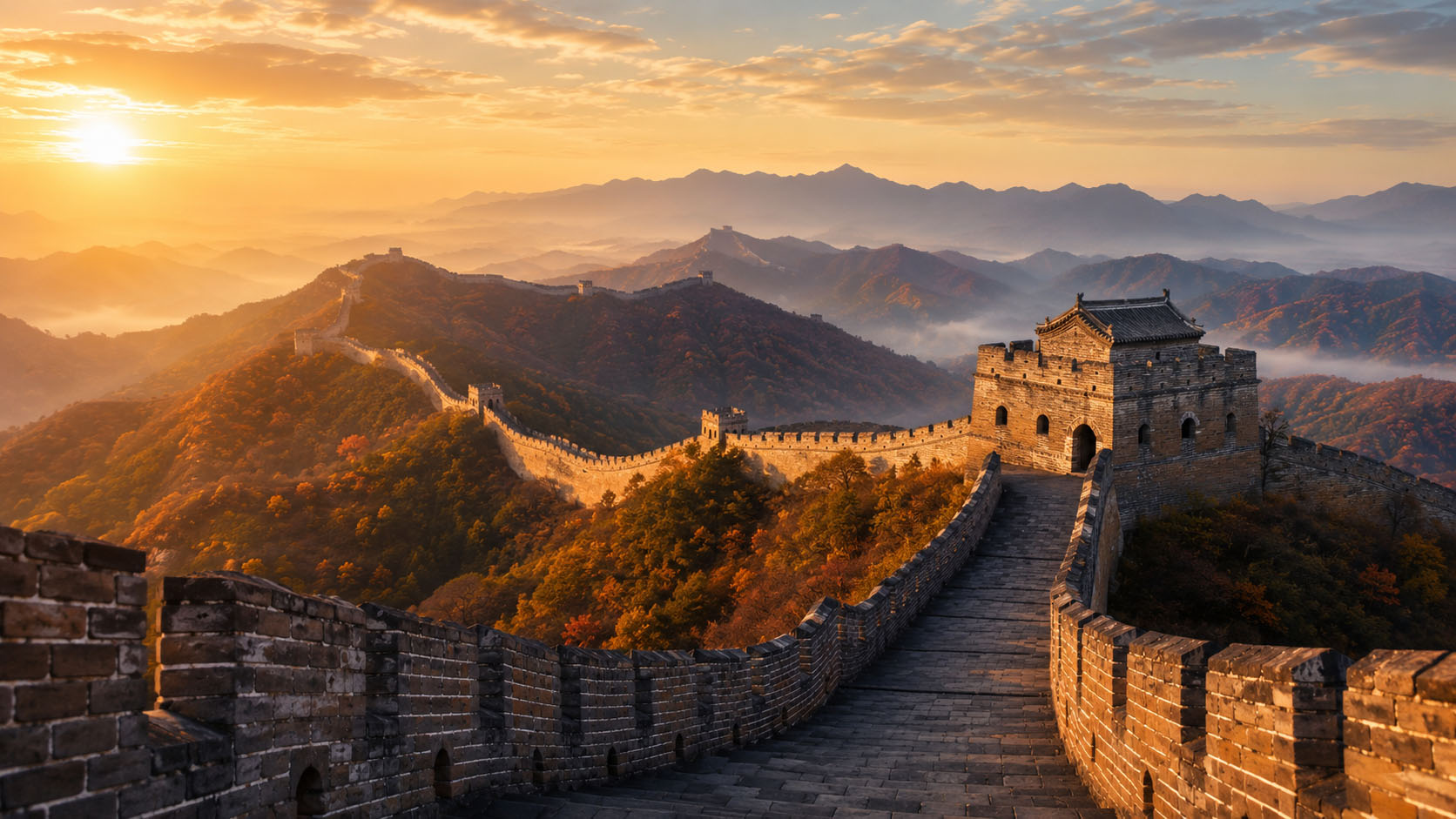
Beijing in Winter: Cold but Magical
Most travel guides will tell you to avoid Beijing from December through February. Most travel guides are wrong. Yes, the cold is real — the weather in Beijing in January can drop to -10°C overnight, and the wind off the northern plains has a way of cutting through cheap coats. But the winter city has rewards no other season offers. The Forbidden City under a fresh snowfall, with the imperial yellow roofs dusted white and almost no other visitors in sight, is one of the most photographed scenes in Chinese travel for a reason. The frozen lakes at Houhai and the Summer Palace turn into improvised skating rinks, and locals rent out chair-sleds for the price of a coffee. Hotel rates drop by 30 to 50 percent compared to peak season. Even the Great Wall in winter, with the watchtowers rising out of the snow, is worth the colder hike. Pack the right clothes — thermal layers, a windproof shell, gloves — and the season delivers an entirely different city.
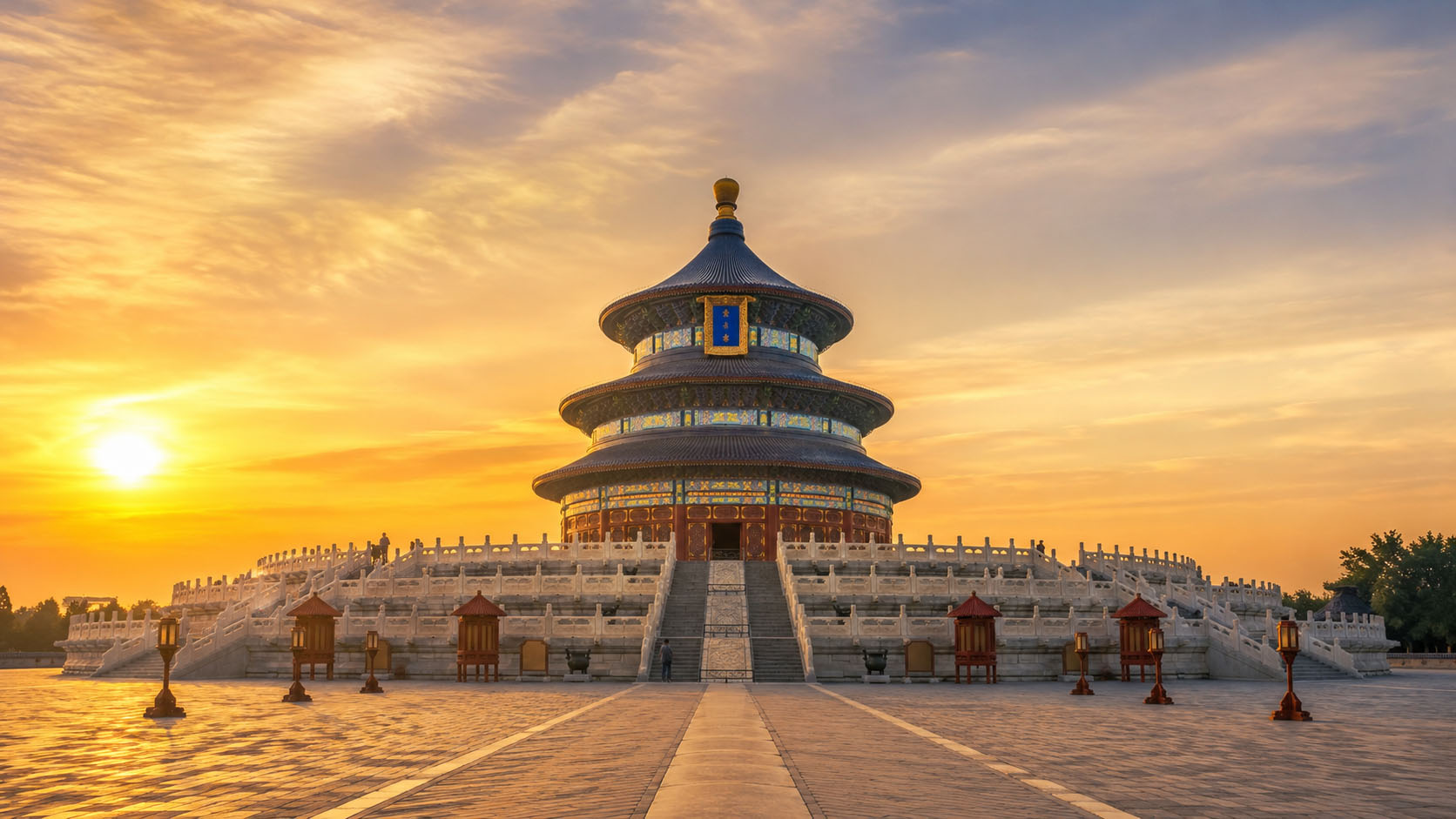
Spring is the season most people imagine when they picture Beijing at its best, and in many ways they are right. From late March to May, the city wakes up quickly: parks fill with elderly dancers, families gather under blooming trees, and the air feels lighter after the dry winter. The Summer Palace, Beihai Park and the Temple of Heaven are especially beautiful at this time of year, with blossoms, fresh greenery and long afternoons that invite slow walking. It is also one of the best seasons for exploring hutongs on foot, stopping for noodles, coffee or dumplings along the way. The only thing to keep in mind is that spring can bring dust storms and sudden temperature changes, so layers are still useful.
Summer in Beijing is intense, lively and sometimes exhausting. From June to August, temperatures often rise above 30°C, humidity increases, and afternoon storms can arrive without much warning. This is also when many domestic tourists travel, so major sights like the Forbidden City, Tiananmen Square and popular sections of the Great Wall can feel crowded. But summer has its own rhythm. Evenings are warm, street food feels more inviting, rooftop bars open up, and the city stays alive late into the night. If you travel in summer, start early, rest during the hottest part of the day and save hutongs, food streets and lakeside walks for the evening.